
About the programme
A decade of health innovation, focused on the coverage gap.
Nigeria Health Watch is bringing the Health Meets Tech community back together to build practical, locally relevant solutions for universal health coverage.
Why this programme exists
Innovation should answer to people, not novelty.
More than 218 million Nigerians remain outside health-insurance coverage. The challenge is not only technical; it is behavioural, economic, administrative and deeply human.
Nigeria Health Watch combines public-health expertise with convening power and a track record of bringing different disciplines together around urgent health-system problems.
This programme is designed to carry strong ideas beyond a presentation—toward mentorship, testing, partnerships and implementation.
What success looks like
Four outcomes guide every decision.
Evidence to prototypes
Turn research and lived experience into practical tools that address awareness, trust, pricing and access.
People-centred design
Build for how people actually understand, choose and use health insurance—including those with limited digital access.
Multidisciplinary teams
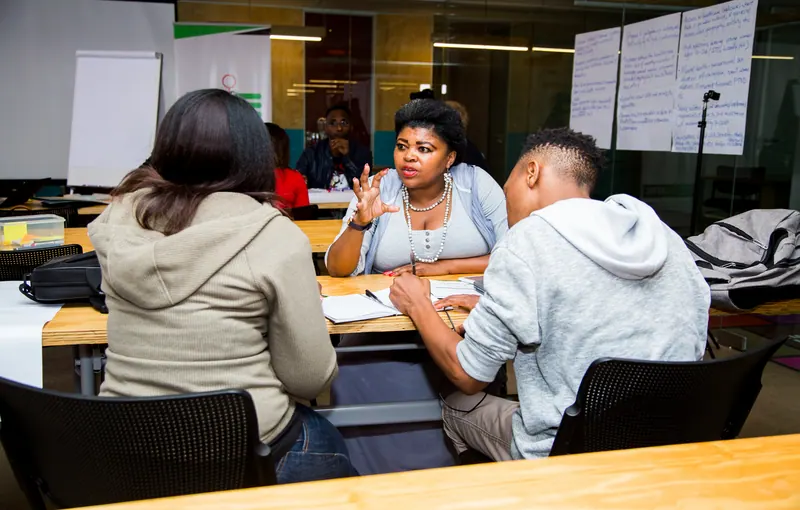
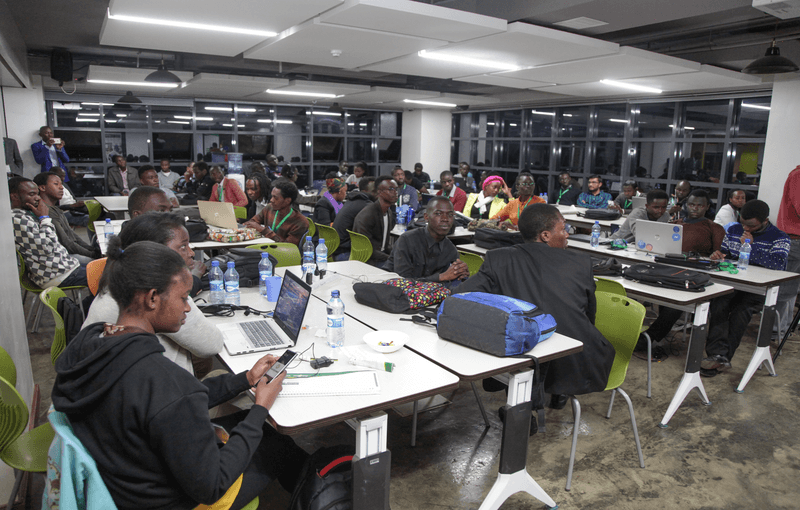
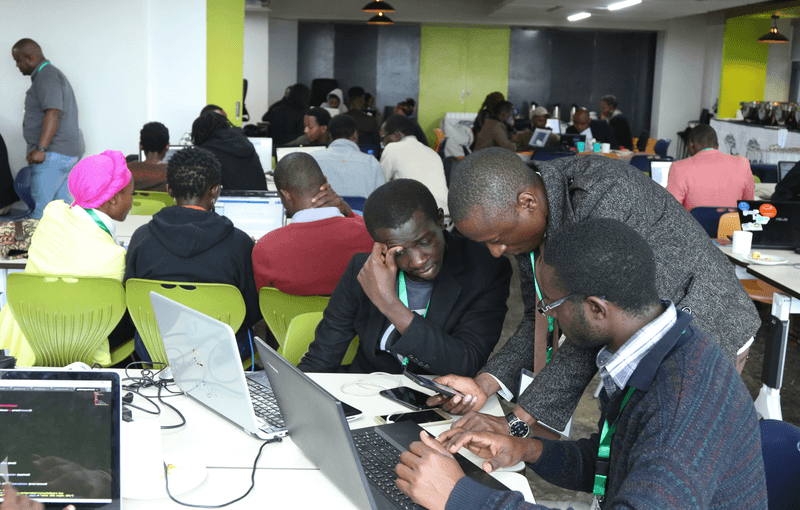
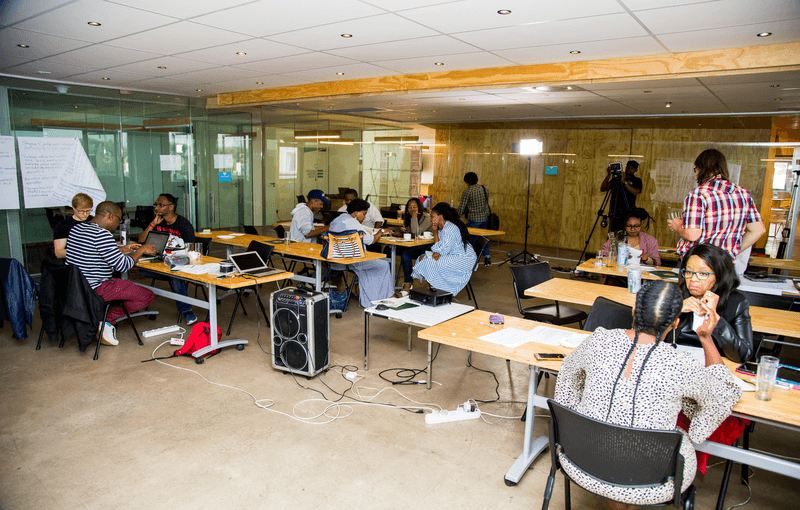
Bring technology, public health, policy, design, clinical and business expertise into one working room.
A path to scale
Connect promising solutions to mentorship, pilot opportunities, implementation partners and wider FHC visibility.
The Health Meets Tech legacy
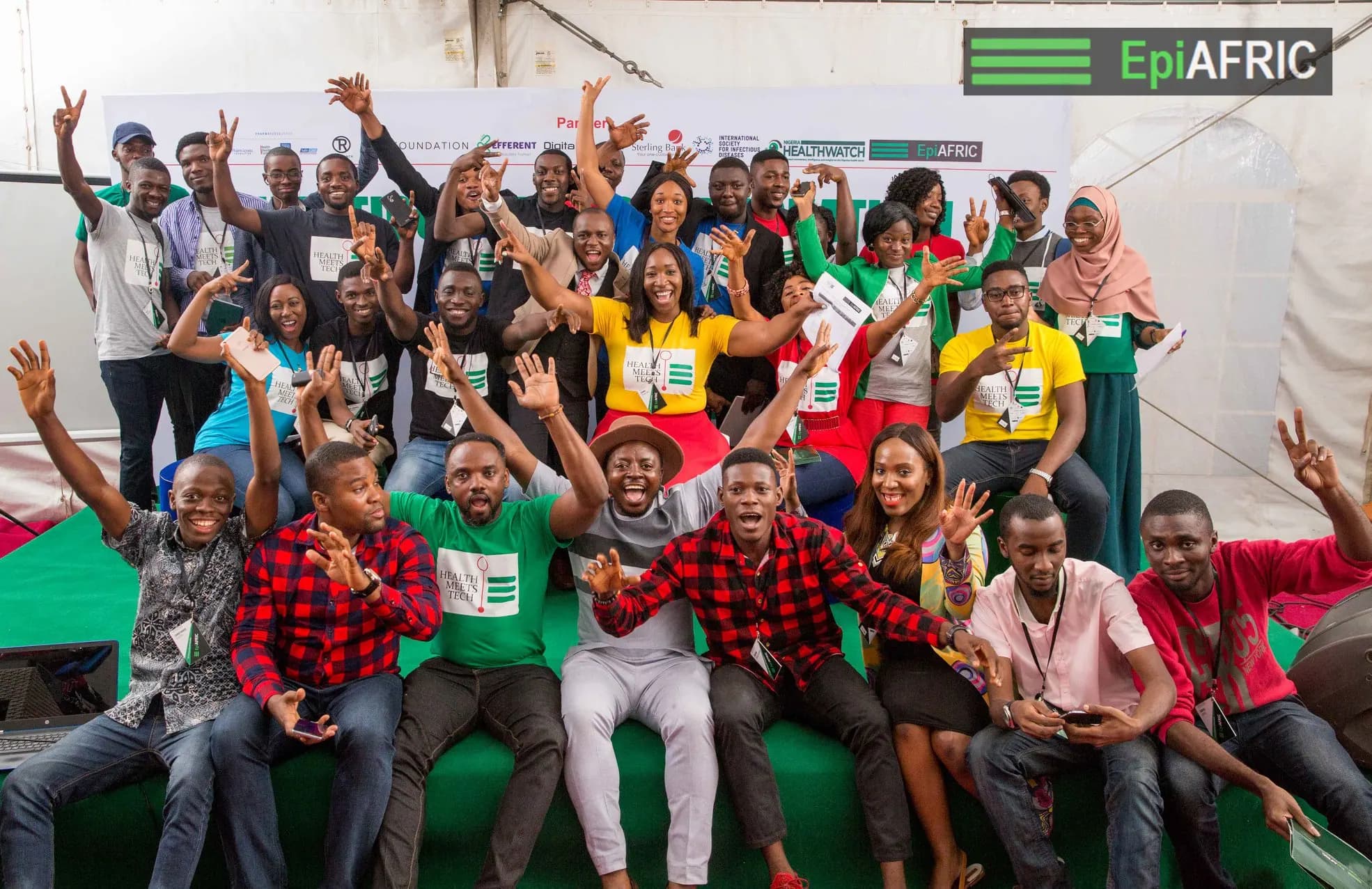
It began with a simple idea at FHC.
Health and technology practitioners can build more useful solutions when they understand one another’s constraints and work side by side.
The Future of Health Conference sparks the Health Meets Tech idea.
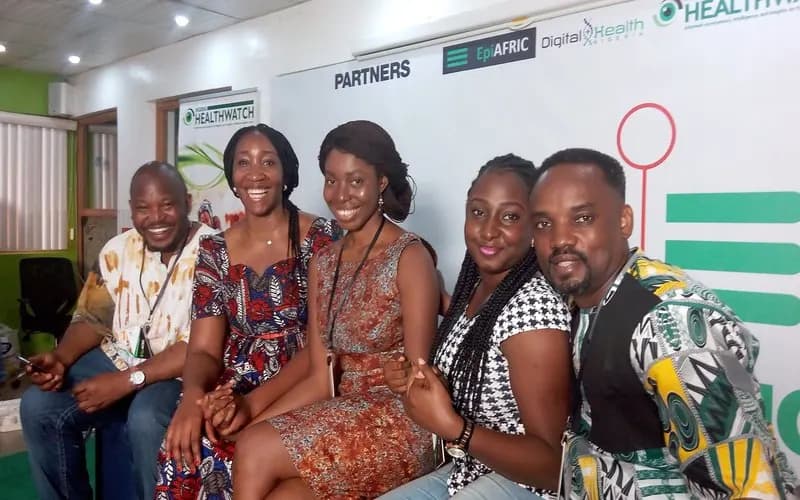
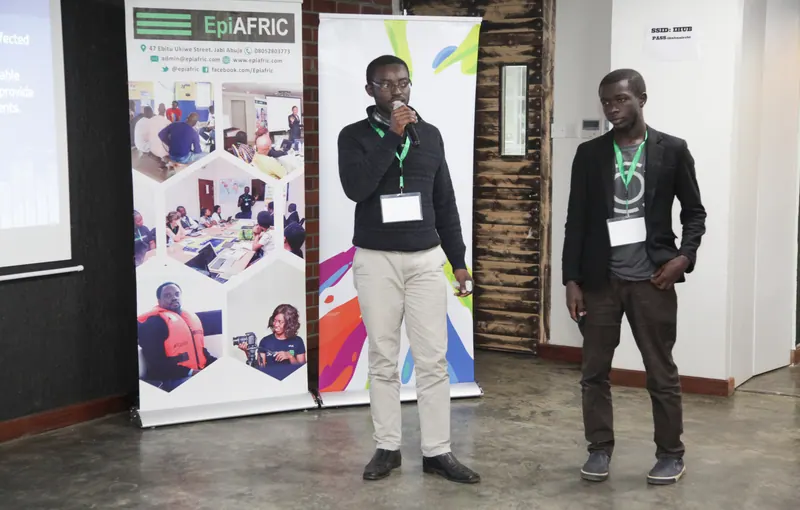
The first Health Meets Tech hackathon convenes health, technology and business leaders in Lagos.
Hackathons expand across Nigeria, Kenya and South Africa, including infectious disease, UHC, nutrition and reproductive health challenges.
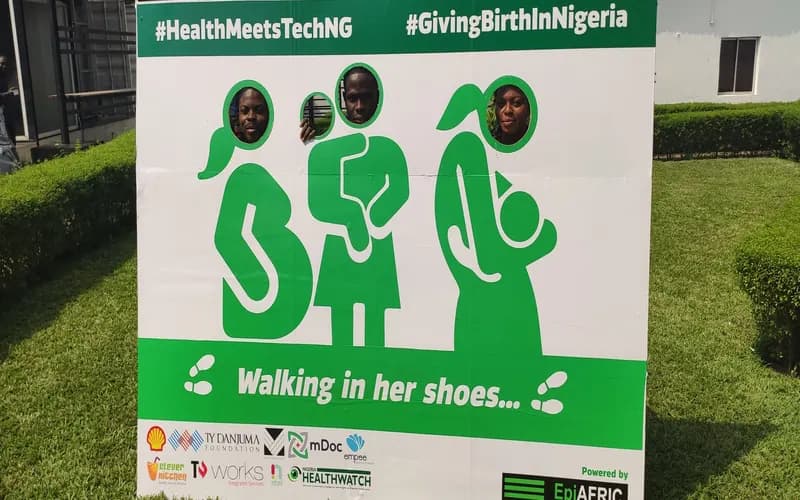
A maternal health hackathon and community meetups deepen the ecosystem beyond single events.
Innovation programmes continue across epidemic preparedness, digital health and locally relevant health-system challenges.
The community returns to hack the health-insurance coverage gap as part of the road to FHC 2026.
How ideas move
An end-to-end innovation pipeline.
The sprint is one part of a longer process: define a useful problem, assemble the right team, test a practical response and support the strongest paths forward.
Listen
Start with evidence, policy context and the experiences of people navigating the system.
Convene
Select diverse participants and build teams with complementary expertise.
Build
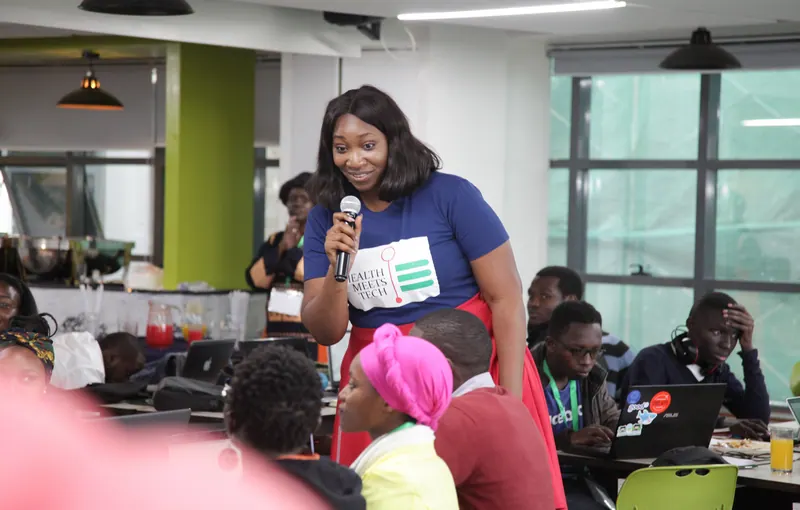
Use an intensive sprint, mentorship and testing to turn insights into prototypes.
Demonstrate
Make the implementation model, impact case and trade-offs visible to judges and partners.
Accelerate
Support selected teams with mentorship, pilots, introductions and opportunities to scale.
Build with us
The next chapter needs your discipline.
- Apply individually or with a team of 3–5
- Choose one of two health-insurance challenge tracks
- Build in Abuja from 4–9 October 2026